Explore DC Cleanex Pest Control for professional pest control services for homes and businesses
Explore DC Cleanex Pest Control for professional pest control services for homes and businesses
Blog Article
Tested Pest Management Answers: Maintain Your Home Free of Pests
Effective pest management approaches are vital for preserving a pleasant home environment. Homeowners encounter various challenges from typical pest issues, which can disrupt daily life. Identifying the signs of pest invasion is the first step in managing these issues. While natural methods have gained popularity, comprehending the full range of control options is essential. This exploration presents important questions about the balance between DIY solutions and when to obtain professional assistance. What strategies will turn out to be most effective?
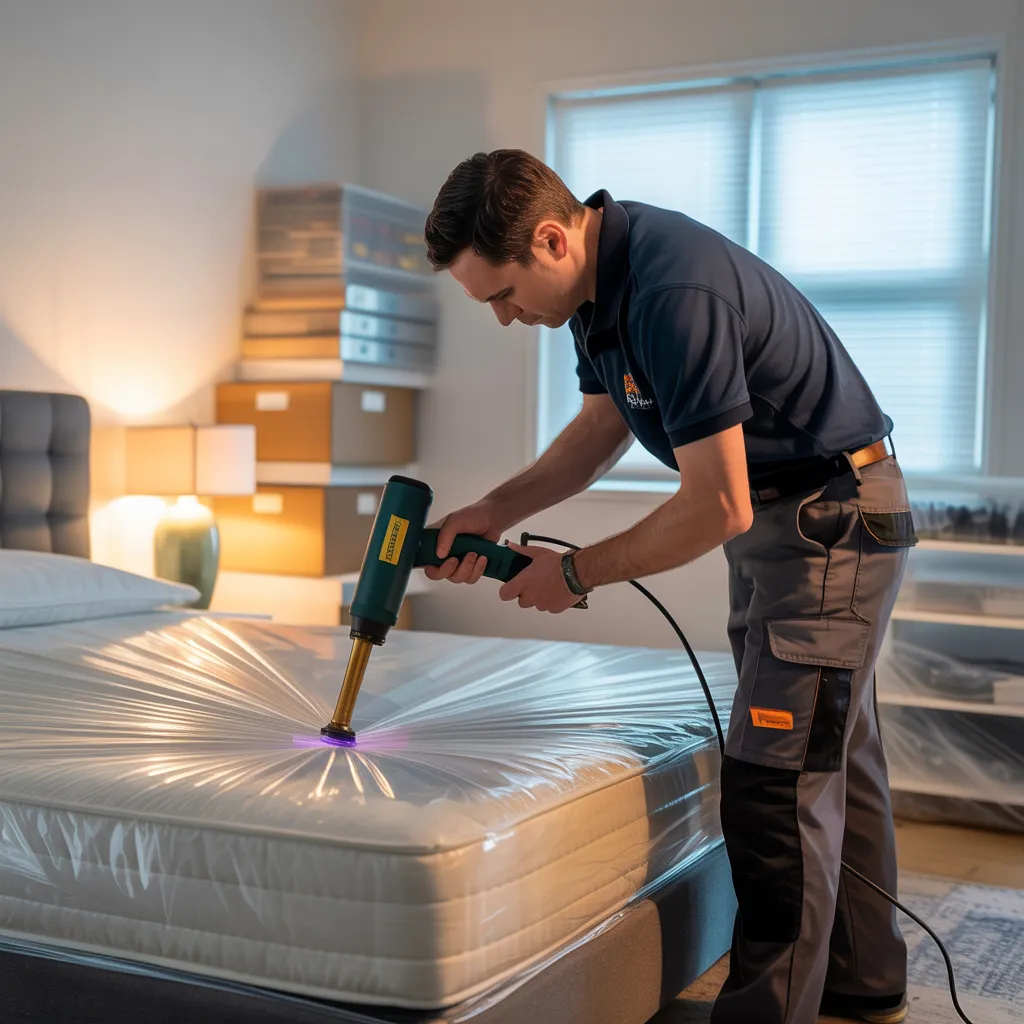
Frequent Household Pests and Successful Pest Control
When homeowners detect pests in their living spaces, they usually seek prompt solutions for common household pests. Ants, cockroaches, and rodents are among the most frequently encountered pests. Ants usually invade kitchens while searching for food, and cockroaches prefer warm, dark areas. Rodents, conversely, can inflict structural damage and threaten health.
Dependable pest control begins with discovery and protection. Homeowners are encouraged to obstruct entry areas, maintain cleanliness, and curtail food availability. Pesticide traps and chemical agents can be utilized for specific infestations, though caution is advised to protect safety for children and pets. In extreme instances, professional pest control services may be necessary to deploy systematic elimination approaches. Understanding the nature of these pests and adopting targeted strategies fosters a healthier living environment and mitigates future infestations.
Notice Signals of Infestation
Identifying indicators of pest activity is essential for effective pest management. Typical signs consist of strange sounds, distinct smells, and visible droppings or damage to property. Catching these indicators in advance can help avoid a small concern from escalating into a major problem.
Common Bug Signs
How can one identify the telltale indicators of a pest infestation? Identifying common pest indicators is essential for prompt action. Tiny feces, often looking like rice grains or ground coffee, can indicate the existence of rats or bugs. Furthermore, chewed items, such as wires or wood, indicate chewing pests like rats or termites. Unusual marks on walls or furniture, including smudge marks or scratches, may signify insect activity. Additionally, nests or webs found in hidden corners frequently suggest infestations. Homeowners should also be vigilant for discarded wings or shed skins, which are common with specific pests. By being aware of these signs, one can take proactive measures to ensure a pest-free environment.
Unusual Sounds and Smells
Uncommon sounds and smells may serve as key find guide indicators of a pest infestation. Homeowners might hear scratching, running, or biting noises, especially at night when pests are most active. These sounds frequently indicate the existence of rodents like mice or rats, which often occupy walls, attics, or basements. Furthermore, certain odors can point towards an infestation. A musty or pungent scent may suggest an accumulation of droppings or urine, while a foul, rotting smell could imply dead pests are present. Identifying these hearing and scent cues is crucial for early detection. Taking prompt notice of unusual noises and scents enables homeowners to act before a minor issue becomes a larger pest problem.
Visible Feces or Harm
wall damage. Such signs not only points to the existence of rodents and insects but also underscores possible threats to wellbeing and property. Early detection of these signs is essential for successful pest management and prevention strategies, guaranteeing a safe and pest-free space.
Top Natural Pest Control Approaches
Although numerous homeowners pursue synthetic treatments for insect management, excellent organic techniques offer solid options that remain both environmentally responsible and safe. Pure plant oils, like peppermint and lavender, can deter multiple pests thanks to their strong scents. Food-grade diatomaceous earth functions as a organic pesticide, dehydrating pests upon contact. Furthermore, white vinegar is a multipurpose tool, effectively preventing ants and spiders when sprayed as a spray.
Homemade devices, like baited jars for fruit flies, can also prove useful. Introducing helpful predators, such as ladybugs and lacewings, helps reduce pest populations without injuring the ecosystem. Moreover, regular cleaning and appropriate pantry care deter unwanted guests by getting rid of attractants. Planting herbs like basil and rosemary around the home can also work as natural repellents. By blending these methods, homeowners can sustain a pest-free environment while promoting a more pleasant residence.
Understanding Synthetic Pest Management Choices
Chemical pest control solutions provide a variety of pesticide types designed to eliminate specific pests efficiently. Comprehending these various formulations is vital for effective use and minimizing ecological damage. Furthermore, adhering to safety precautions is imperative to ensure the well-being of both applicators and nearby environmental systems.
Chemical Pesticide Types
Pesticides serve an vital role in modern agriculture and pest management, delivering a variety of alternatives created to address specific pests efficiently. There are several types of chemical pesticides, including insecticides, which control insect populations; herbicides, which eliminate unwanted plants; and fungicides, used to fight fungal infections. Additionally, rodenticides are formulated to destroy rodents, while nematicides concentrate on parasitic worms. Each category contains various active ingredients, permitting for tailored approaches based on the pest type and infestation level. Systemic pesticides are taken up by plants, delivering internal protection, while contact pesticides act on contact with the pest. Understanding these classifications aids in selecting the most appropriate pesticide for effective and efficient pest control.
Safety Protocols To Keep In Mind
When engaging in pest control, it is important to prioritize safety measures to mitigate potential risks linked to chemical applications. Homeowners should always comply with label instructions meticulously, confirming proper dosage and application methods. Personal protective equipment (PPE) such as gloves, masks, and goggles is necessary to defend against chemical exposure. It is prudent to keep children and pets away from treated areas until the chemicals have dried and the space has been refreshed. Additionally, keeping pesticides safely away can prevent accidental ingestion. Finally, evaluating eco-conscious options can reduce health risks while still adequately handling pest problems. Implementing these precautions provides a safer environment while conducting necessary pest control measures.
Deploy DIY Pest Control recommendations
Adopting DIY pest management recommendations equips homeowners to overcome pest problems successfully and thriftily. Practical fixes commonly utilize familiar household items, keeping them obtainable and affordable. For instance, a mixture of vinegar and water can deter ants, while baking soda and sugar can pull in and annihilate cockroaches.
Keeping your space clean is vital; keeping food in closed containers and swiftly addressing spills help prevent pest activity. Homeowners can also build protection by closing cracks and gaps around doors and windows. Natural oils such as peppermint and tea tree oil act as organic repellents, providing a fragrant choice to chemical treatments.
By frequently checking the home for pest indicators, you can allow for prompt action, avoiding larger infestations. Pest traps and baiting devices can be carefully positioned in busy zones to track and manage pest populations. By adopting these DIY strategies, homeowners can maintain a pest-free environment while promoting a sense of control and responsibility in their living spaces.
When is it the right moment to reach out to a skilled expert?
Homeowners may find that despite their best efforts with DIY pest control methods, some invasions need professional intervention. Signs indicating the necessity for expert help include persistent pest activity, large infestations, or the existence of pests that pose health risks, such as rodents or termites. If initial treatments fail to yield results, it may be time to contact professionals who possess specialized knowledge and tools.
Moreover, specific conditions warrant prompt expert assistance. These include the detection of nests in remote areas, potential structural harm resulting from pests, or when managing harmful insects, like wasps. Homeowners should also consider expert help if they want the time or resources to manage the situation competently. Ultimately, hiring a pest control expert can promise a comprehensive analysis and a strategic approach, providing peace of mind and a pest-free environment.
Frequently Raised Questions
What Can I Do to Prevent Pests From Entering My Home?
To avoid bugs from coming into a home, one should seal cracks, add protective mesh on windows, maintain cleanliness, keep provisions secured, and regularly inspect for indicators of pest presence. These measures greatly reduce the probability of unwanted visitors.
Are there any Petsafe pest management options?
Absolutely, pet-friendly pest control options are available. Plant-based repellents, essential oils, and pest traps designed specifically for use near pets can effectively keep pests away without harm to pets. Always review product labels for protective guidelines.
What Will Pest Control Services Expense You?
Charges for pest control services span considerably, typically ranging from $100 to $300 for initial treatments. Regular maintenance programs may cost $40 to $70 per month, based on the level of the pest issue and service frequency.
What is the length of Pest Control Treatment longevity?
Pest control treatment typically lasts from several weeks to several months, contingent on the kind of pest and the technique applied. Routine follow-ups may be essential to maintain effectiveness and prevent re-infestation.
Is It Feasible for Bugs to Reappear Following Treatment, and What Methods Can Avoid It?
Pests could reoccur after treatment if not properly managed. Preventive measures include blocking potential entries, preserving cleanliness, and regular inspections. These actions help limit the likelihood of infestation recurrence and maintain a infestation-free environment.
Report this page