Find DC Cleanex Pest Control for reliable pest management solutions with effective treatments
Find DC Cleanex Pest Control for reliable pest management solutions with effective treatments
Blog Article
Tested Pest Management Methods: Maintain Your Home Free of Pests
Effective pest control approaches are vital for preserving a pleasant living space. Homeowners face various challenges from common pests, which can disrupt daily life. Identifying the signs of pest invasion is the first step in addressing these issues. While organic approaches have gained popularity, understanding the full spectrum of control options is necessary. This investigation raises significant inquiries about the equilibrium between DIY solutions and when to obtain professional assistance. What tactics will prove most successful?
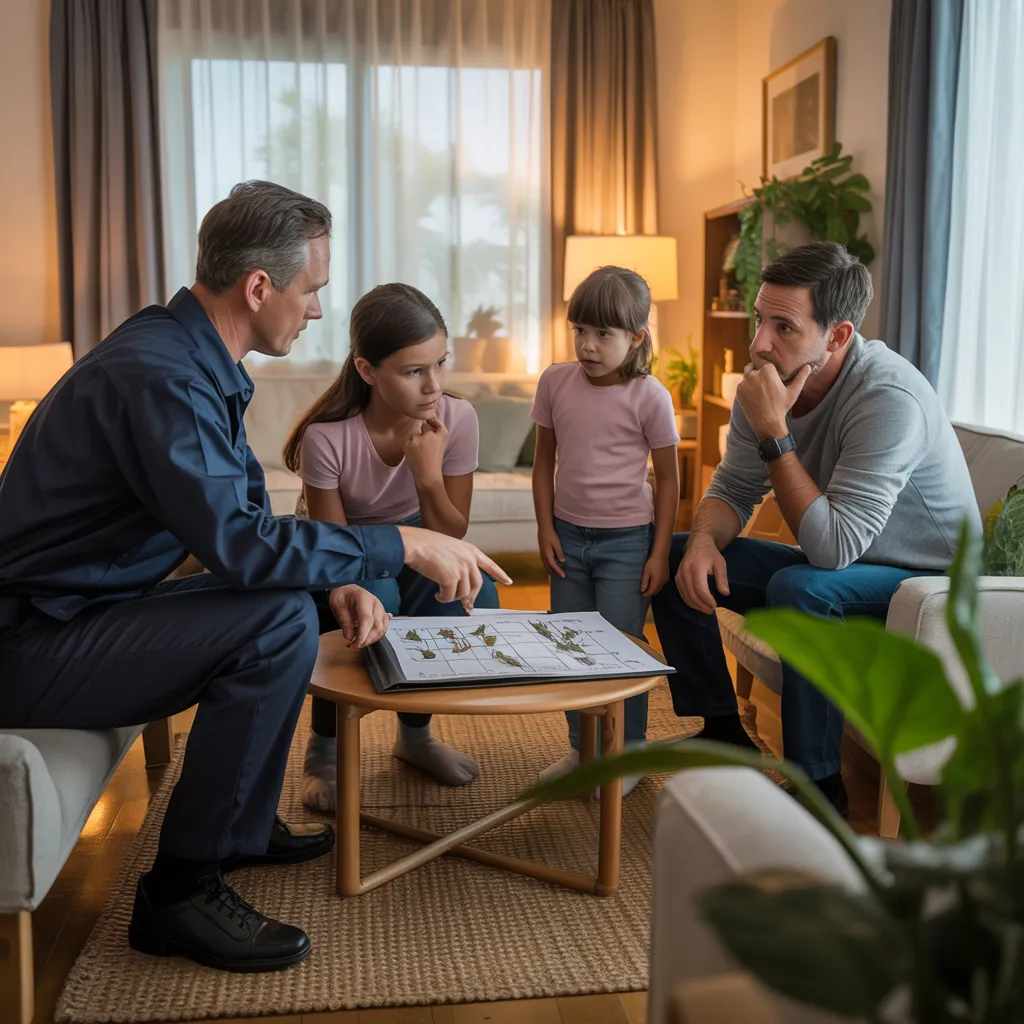
Widespread Household Pests and Effective Pest Control
When homeowners spot pests in their homes, they usually ask for swift solutions for common domestic pests. Ants, cockroaches, and rodents are frequently encountered among these insects. Ants normally enter kitchens in search of food, whilst cockroaches thrive in warm, dark places. Rodents, alternatively, can lead to structural damage and introduce health hazards.
Efficient pest control commences with detection and avoidance. Homeowners are recommended to block access openings, maintain cleanliness, and eliminate food sources. Poison traps and chemical solutions can be utilized for specific infestations, though caution is advised to guarantee safety for children and pets. In severe cases, professional pest control services may be vital to implement thorough eradication methods. Recognizing the nature of these pests and employing precise tactics cultivates a improved household conditions and lessens future infestations.
Notice Evidence of Infestation
Identifying signs of infestation is vital for successful pest control. Common indicators include strange sounds, unusual odors, and visible droppings or damage to property. Catching these symptoms in advance can help prevent a minor issue from progressing into a major problem.
Shared Unwanted Creature Indicators
How can someone identify the subtle signs suggesting pest issues? Detecting common pest indicators becomes vital for early intervention. Minute waste particles, regularly akin to grains of rice or coffee grounds, might hint the occurrence related to bugs or rodents. Additionally, gnawed materials, such as wires or wood, show chewing pests like wood-eating insects. Strange blemishes on pieces of furniture or walls, featuring gouges or stains, could suggest insect activity. Furthermore, nests check this resource or webs found in hidden corners regularly suggest infestations. Home occupants should also be vigilant for discarded wings or shed skins, that regularly happen in some pests. Through awareness of such symptoms, one can take proactive measures to maintain a pest-free environment.
Strange Noises and Smells
Unusual sounds and smells can be significant signs of a pest infestation. Homeowners may hear scraping, scuttling, or chewing sounds, particularly at night when pests are most active. These noises often indicate the presence of rodents, such as mice or rats, which tend to inhabit walls, attics, or basements. Additionally, certain smells can hint at an infestation. A musty or pungent smell may indicate a buildup of droppings or urine, while a foul, rotting scent could suggest the presence of dead pests. Recognizing these hearing and smell signs is essential for early detection. Prompt attention to unusual noises and odors can help homeowners take action before a minor issue develops into a more significant pest problem.
Visible Droppings or Harm
Visible feces and damage serve as obvious signs of a pest problem. Homeowners should be vigilant in identifying these signs, as they can differ significantly between various pest types. Rodent feces, for instance, are small, dark, and oval, often found in concealed areas or near food sources. In comparison, insect droppings may resemble tiny specks or granules
Excellent Natural Pest Suppression Methods
Although numerous property owners look for chemical solutions for pest control, excellent organic techniques offer effective alternatives that remain both eco-friendly and safe. Pure plant oils, like lavender and peppermint, can repel various insects due to their strong scents. Food-grade diatomaceous earth operates as a natural insecticide, dehydrating pests upon contact. Furthermore, vinegar is a versatile solution, successfully deterring ants and spiders when sprayed as a spray.
Homemade traps, like baited jars for fruit flies, can also prove useful. Introducing helpful predators, such as ladybugs and lacewings, helps control pest populations without harming the ecosystem. Moreover, regular cleaning and proper food storage deter unwanted guests by eliminating attractants. Planting herbs like basil and rosemary around the home can also function as organic deterrents. By blending these methods, homeowners can maintain a pest-free environment while fostering a more pleasant residence.
Examining Synthetic Pest Control Choices
Chemical pest control choices offer a range of pesticide types intended to focus on distinct pests effectively. Recognizing these various formulations is important for effective deployment and limiting environmental harm. Additionally, adhering to safety protocols is imperative to guarantee the well-being of both handlers and surrounding ecosystems.
Various Kinds Of Chemical Pesticides
Pesticides play an essential function in modern agriculture and pest management, offering a variety of solutions created to address specific pests efficiently. There are several types of chemical pesticides, including insecticides, which control insect populations; herbicides, which eliminate unwanted plants; and fungicides, used to combat fungal infections. Additionally, rodenticides are formulated to destroy rodents, while nematicides concentrate on parasitic worms. Each category holds various active ingredients, allowing for customized approaches based on the pest type and infestation level. Systemic pesticides are absorbed by plants, delivering internal protection, while contact pesticides act on contact with the pest. Understanding these classifications aids in determining the most appropriate pesticide for effective and efficient pest control.
Safety Procedures To Evaluate
When undertaking pest control, it is important to focus on security protocols to lessen potential risks associated with chemical applications. Homeowners should always adhere to label instructions thoroughly, securing proper dosage and application methods. Personal protective equipment (PPE) such as gloves, masks, and goggles is vital to defend against chemical exposure. It is recommended to hold children and pets away from treated areas until the chemicals have dried and the space has been refreshed. Additionally, placing pesticides in a locked location can prevent accidental ingestion. Finally, examining sustainable solutions can reduce health risks while still adequately handling pest problems. Implementing these precautions guarantees a safer environment while conducting necessary pest control measures.
Implement do-it-yourself pest management Tips
Adopting DIY pest control suggestions empowers homeowners to overcome pest problems successfully and economically. Practical solutions commonly harness familiar household items, making them obtainable and affordable. For instance, a mixture of vinegar and water can prevent ants, while baking soda and sugar can pull in and annihilate cockroaches.
Preserving orderliness is necessary; placing food in sealed containers and promptly removing spills discourage pest draw. Homeowners can also establish protective barriers by filling cracks and gaps around doors and windows. Natural oils like peppermint and tea tree oil deliver organic deterrent effects, offering a aromatic alternative to chemical pesticides.
Routine inspections of the home for pest indicators facilitate preventive action, preventing widespread pest invasions. Monitoring stations and traps may be strategically placed in areas of frequent activity to track and regulate pest populations. By adopting these hands-on pest control approaches, homeowners can maintain a pest-free environment while fostering a sense of mastery and accountability in their living spaces.
When is it the right moment to reach out to a skilled expert?
Homeowners may find that despite their greatest attempts with DIY pest control methods, some invasions need professional intervention. Indicators showing the need for expert help include ongoing pest problems, significant invasions, or the presence of pests that pose health risks, such as rodents or termites. If initial treatments fail to yield results, it may be time to contact professionals who possess specialized knowledge and tools.
Additionally, particular situations warrant immediate expert support. These comprise the discovery of nests in hard-to-reach areas, potential structural harm created by pests, or when dealing with dangerous insects, like wasps. Homeowners should also consider expert assistance if they lack the time or resources to handle the situation effectively. Ultimately, hiring a pest control expert can guarantee a complete evaluation and a strategic approach, offering peace of mind and a pest-free environment.
Popular Questions Asked Regularly
What Can I Do to Prevent Pests From Entering My Home?
To guard against creatures from gaining entry to a home, one should plug gaps, fit protective coverings on windows, copyright sanitation, store food properly, and regularly inspect for marks of invasion. These tactics markedly diminish the odds of unwanted occupants.
Are there any Petsafe pest control solutions?
Yes, there are safe for pets pest management solutions offered. Natural repellents, essential oils, and traps created specifically for use around animals can effectively repel pests without harming animals. Always review packaging information for safety instructions.
What Are the Costs Related to Pest Control Services?
Pricing for pest control offerings differs substantially, typically ranging from $100 to $300 for initial treatments. Ongoing upkeep plans can cost $40 to $70 per month, depending on the severity of the pest problem and treatment frequency.
What duration Can You expect From Pest Control Treatment?
The duration of pest control service typically ranges from multiple weeks to an extended period, depending on the type of pest and the strategy utilized. Regular follow-ups may be necessary to maintain effectiveness and prevent re-infestation.
Can Insects Return After Treatment, and How Can I Prevent That?
Pests could return after treatment if poorly controlled. Preventive measures include blocking potential entries, preserving cleanliness, and periodic assessments. These actions help reduce the odds of infestation recurrence and maintain a infestation-free environment.
Report this page